
Part 3.
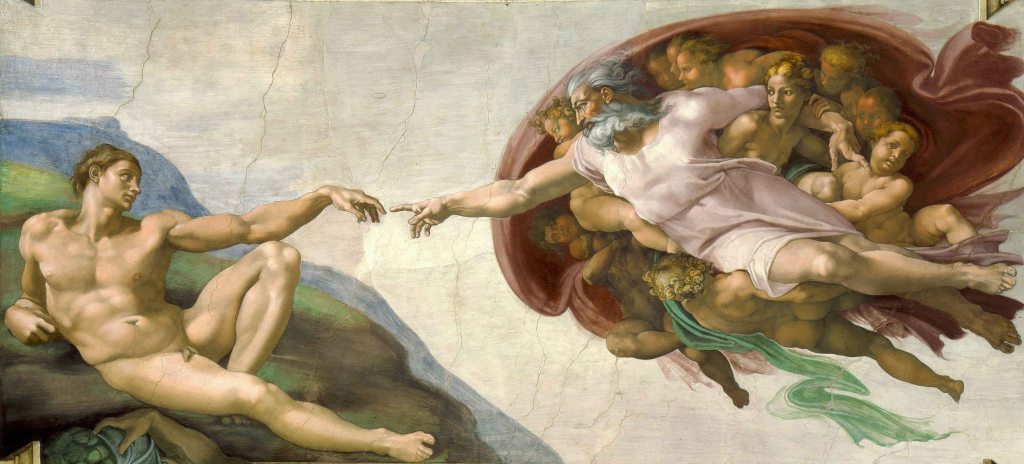
In an age where we’ve swapped divine mystery for self-optimization, burnout isn’t just fatigue—it’s the flickering out of God Himself. We’ve internalized the sacred, turning inward gazes into furnaces of endless demand. Philosopher Byung-Chul Han’s The Burnout Society (2010) illuminates this collapse: without external enemies or prohibitions, we become tyrants of ourselves. We are no longer bound by societal “No’s” or transcendent limits. We flood our lives with unchecked positivity. This includes affirmations, goals, and apps promising peak performance. The result? Narcissism blooms in the echo chamber of the self, where otherness vanishes. We curate feeds of our own image, mistaking isolation for empowerment. Burnout emerges not as failure. Instead, it is a symptom of this excess. The self is both master and slave, a new god aflame with its own impossible fire.

This narcissistic loop intensifies in Michael Sandel’s meritocratic arena, where success is no longer grace but “deservedness.” In The Tyranny of Merit (2020), Sandel critiques how we’ve built a ladder of achievement, convinced our place atop it—or tumble from it—is purely earned. No fate, no God, no unearned dignity intervenes; only the self climbs or falls. This breeds hubris for winners (“I got here because I’m superior”) and humiliation for losers (“My failure is my fault alone”). The moral weight crushes: success demands constant proof, failure invites shame. In this godless meritocracy, burnout becomes the death of inherent worth. There’s no sacred center granting value beyond the grind—no divine whisper saying, “You are enough.” We’re left worshipping our résumés, exhausted by the illusion that dignity is a commodity we must produce.
The Desperate Punch: Fight Club as Rebellion Against the Numbed Self
A visceral depiction of this crisis is featured in Chuck Palahniuk’s Fight Club (1996) who’s protagonist is a burnout subject par excellence, numbed by consumerism’s “IKEA nesting instinct” and soul-crushing office life. His insomnia stems not from external oppression but an internal void, the echo chamber of a life reduced to catalogs and status.
“Advertising has us chasing cars and clothes, working jobs we hate so we can buy shit we don’t need.”
thus the fight club is created, where men pummel each other to feel alive, to break free from the haze of a meaningless existence.
In Palahniuk’s novel, the fights aren’t mere violence; they’re a primal reclamation of otherness and at the same time a rejection of the polished selfhood demanded by the consumer culture. The desperate search for meaning, once anchored by a God now dead, manifests as a bloody fistfight. Fight Club rebels against the meritocratic myth that we’re only as good as our output. Yet, this path ends in nihilism and schemes for the annihilation of society. The fractured psyche of the protagonist cannot find absolution and collapses into madness.
Toward a New Transcendence: Slowness, Authenticity, and the Wholly Other
If burnout eclipses otherness, limits, and grace, recovery demands their resurrection. Han prescribes slowness and contemplation: step out of the achievement frenzy into real community, where the “wholly other” disrupts our echo chambers. Not apps or retreats, but unscripted encounters—conversations that challenge, silences that unsettle. Jean-Paul Sartre, Nietzsche’s existentialist heir, adds authenticity: embrace freedom’s responsibility without fleeing into illusions of fixed identity. You’re condemned to be free, but that freedom invites genuine relations, not solitary hustles.
Recovery isn’t mastery but surrender: to limits, to others, to the sacred. In a world of Eastern imports and Western tweaks, perhaps the new transcendence blends them: mindfulness without metrics, faith without dogma.
Resurrection from the Flames: Surrendering the Divine Gaze
God isn’t dead; He’s burned out—because we turned the divine gaze inward, mistaking self-deification for liberation. We are gods who cannot bear our own flame, tyrants scorching our souls in meritocracy’s forge. The way forward lies not in more control or amplified selfhood, but in relation: rediscovering limits as gifts, others as mirrors, the sacred as unearned grace. Burnout becomes a teacher—not a god to appease, but a signal to pivot. Let the other in. Affirm the eternal, not the endless. Only then can we rise from exhaustion’s embers, whole.




 Isle of Nines
Leave a comment